
忠源联创国际商贸有限公司


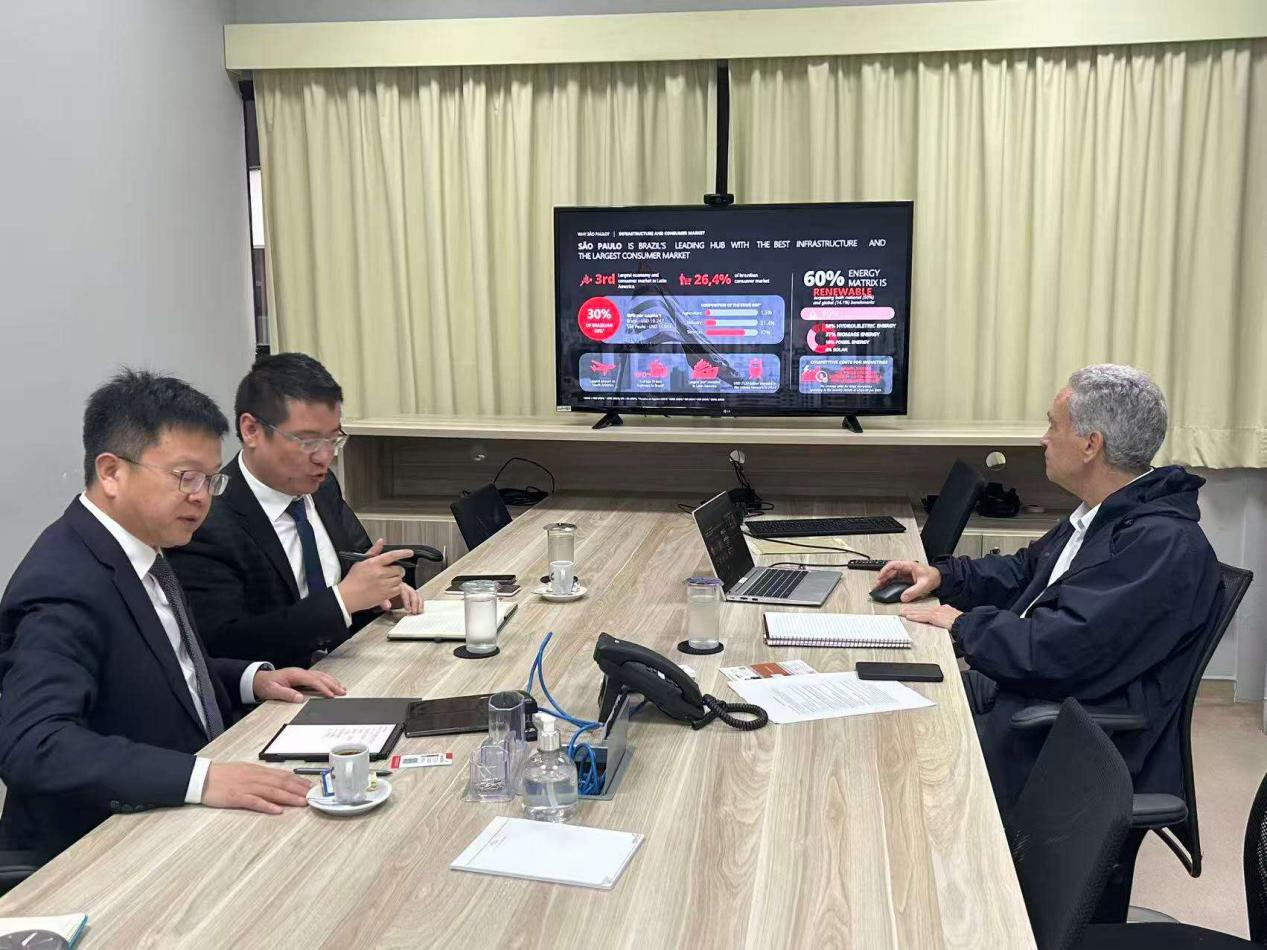
In mid-June, local time, Jiang Liujun—President of the American International Chamber of Commerce for Industrial Investment and Chairman of U-Min Group Co., Ltd.—led a delegation, including Osman, General Manager of Zhongyuan Brazil International Trading Co., Ltd., to Brazil to conduct government-enterprise matchmaking activities. The delegation engaged in in-depth discussions and negotiations with relevant authorities from the Federative Republic of Brazil, the State of São Paulo, and the city of Manaus; it also accompanied Du Haibo, member of the Standing Committee of the Chengdu Municipal Party Committee, and his delegation to the University of São Paulo for a specialized inspection visit. The discussions focused on four key areas—agricultural products and coffee cultivation, mineral resource development, cross-border trade and logistics, and international educational cooperation—to explore viable implementation pathways. These efforts aim to comprehensively strengthen the Chamber of Commerce's strategic foundation in South America regarding industrial investment, bulk commodity procurement, and international industrial collaboration, leveraging Brazil's abundant natural resources to build a bridge for bilateral economic and trade cooperation between China and Brazil, thereby helping enterprises seize market opportunities in Latin America.
01 Met with the Brazilian Ministry of Investment to finalize
supportingmechanisms for investment across multiple sectors
President Jiang Liujun and his delegation held a specialized working meeting with relevant officials from the Brazilian Ministry of Investment. Both parties engaged in comprehensive and in-depth exchanges regarding the overall investment strategy of the General Chamber of Commerce in Brazil. The Brazilian side provided detailed explanations of a series of support measures at the federal level—including foreign investment incentive policies, supporting mechanisms for industrial implementation, and facilitation of cross-border trade. These efforts aim to establish a national-level investment matchmaking platform for the global enterprises represented by the General Chamber of Commerce, while coordinating multiple government agencies—such as those overseeing energy, agriculture, customs, and logistics—to eliminate bottlenecks in project implementation.
The talks focused on practical cooperation in three key industrial sectors: first, large-scale investment in bulk agricultural products—specifically in advantageous categories such as soybeans, meat, and coffee—aiming to expand the scale of investment in cultivation bases and optimize the entire industrial chain, including warehousing and processing infrastructure; second, cooperation in mineral resource exploration and extraction—leveraging Brazil's high-quality mineral resources to explore joint investment models, extraction and trading arrangements, and comprehensive cooperation frameworks for cross-border ore export; third, joint development of cross-border trade and integrated logistics systems—utilizing Brazil's port hub advantages to plan and establish international logistics corridors spanning South America and extending globally, thereby reducing the overall import and export costs for enterprises.
President Jiang Liujun stated that as the largest economy in Latin America, Brazil possesses agricultural and mineral resource reserves that rank among the top in the world, which are highly complementary to the industrial needs of the member enterprises of the General Chamber of Commerce. The General Chamber of Commerce will leverage its network of 35,000 global member enterprises, along with its presence of subsidiaries or representative offices in 25 countries and regions worldwide, to utilize industrial guidance funds as a strategic lever. This approach will enable the Chamber to continuously increase investment in Brazil's domestic industrial sectors, while facilitating the stable export of high-quality Brazilian agricultural products and mineral resources to international markets, thereby achieving bidirectional industrial integration and mutual benefit between China and Brazil. Officials from Brazil's Ministry of Investment have expressed strong approval of the General Chamber of Commerce's investment strategy, pledging to establish a regular communication mechanism to closely monitor and coordinate the Chamber's various investment projects, and to provide comprehensive support encompassing policy guidance, approval procedures, and resource coordination.

02 Connect with the São Paulo State Investment Promotion Agency
to access one-stop implementation services and end-to-end support.
In the state of São Paulo, the delegation led by President Jiang Liujun held a specialized exchange session on industrial investment with the São Paulo State Investment Promotion Agency. As a core hub for industry and agriculture in Brazil, the state of São Paulo boasts mature industrial infrastructure and a comprehensive foreign investment service system. During the session, representatives from the Investment Promotion Agency highlighted their one-stop implementation service system tailored for foreign enterprises—a comprehensive suite of services covering project site selection and evaluation, tax planning and optimization, environmental monitoring and reporting, as well as agency processing for permits and licenses. This system significantly streamlines the on-boarding process for overseas enterprises and reduces their operational costs upon establishment.
Both parties have reached multiple cooperation agreements regarding the distinctive industries of São Paulo State: establishing a comprehensive modern agricultural and premium coffee cultivation industrial park across the entire region, while introducing internationally standardized cultivation and management technologies; and integrating the state's logistics parks and port resources to create a cross-border trade distribution hub.
The state of São Paulo has expressed its commitment to leveraging the official investment promotion platform of the São Paulo state government to coordinate resources from municipal governments at all levels within the state. This initiative aims to precisely match the General Chamber of Commerce with local industrial parks, agricultural bases, and mineral exploration blocks within its jurisdiction, while organizing targeted matchmaking sessions between the state's municipal investment promotion agencies and enterprises of the General Chamber of Commerce. Priority will also be given to opening up specialized industrial cooperation platforms. President Jiang Liujun emphasized that São Paulo state possesses a robust industrial foundation and well-developed business support infrastructure, making it a strategic cornerstone for the General Chamber of Commerce to deepen its presence in the Brazilian market. Moving forward, the Chamber will prioritize the implementation of flagship projects in agriculture, trade, and education within the state, thereby leveraging these pilot initiatives to foster industrial cooperation across all Brazilian states.
03 The Muyi Municipal Government has conducted negotiations to facilitate
targeted supply-demand matching for agricultural products, minerals, and education.
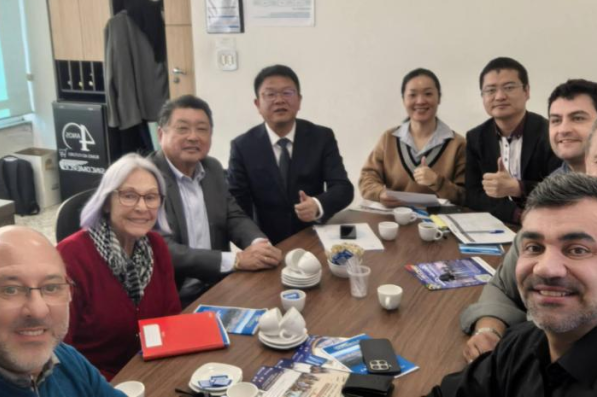
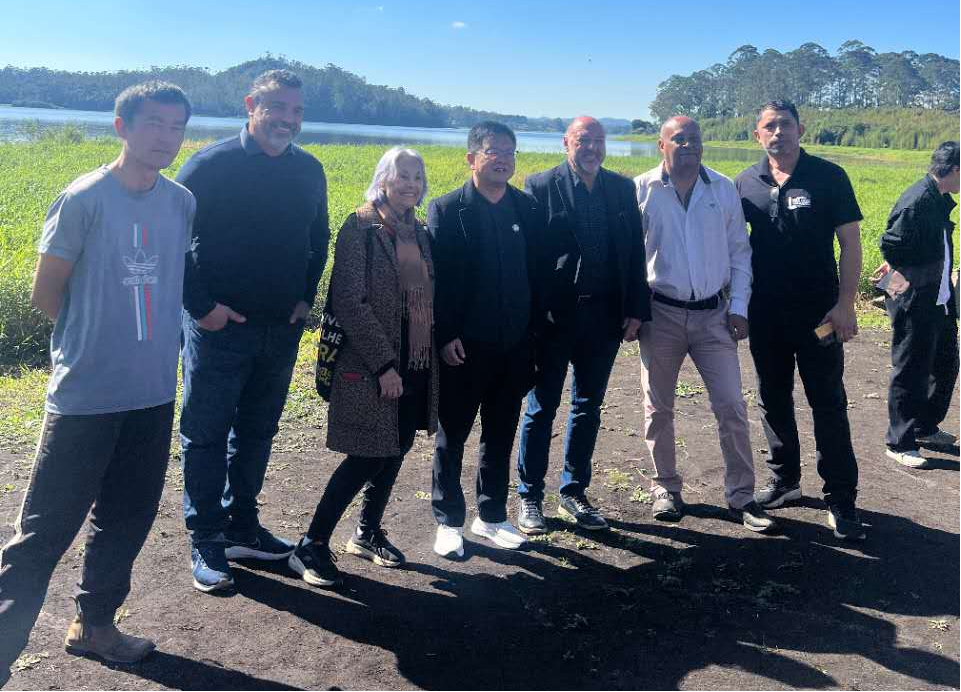
The delegation visited the city of Muija in the state of São Paulo to conduct practical, on-the-ground negotiations with the top leadership of the Muija municipal government, focusing on refining cooperation plans for practical supply-demand matching. Muija, endowed with high-quality coffee, distinctive agricultural and livestock production zones, and abundant mineral reserves, serves as a core domestic commodity supply hub in Brazil. During these talks, the delegation addressed specific needs regarding trade procurement and industrial implementation, resulting in a clear cooperation agenda.
In the agricultural product procurement sector, both parties have reached a consensus on a long-term, stable procurement cooperation agreement. The General Chamber of Commerce will organize global procurement enterprises to conduct targeted procurement of coffee, grains, and fresh agricultural products in Muyi City, thereby establishing trade channels that enable South American agricultural products to access global markets directly. In the mineral resources sector, the two parties will connect with local mineral extraction enterprises to establish regular procurement mechanisms and joint development cooperation channels for ores. In the international education sector, both parties plan to synergize high-quality educational resources from China and the United States with local Brazilian institutions, exploring diverse cooperation models—including urban study tours, Sino-foreign joint educational programs, and transnational youth exchange initiatives. Leveraging the General Chamber of Commerce's global educational resources, they aim to elevate the quality of local education in Muyi City; meanwhile, by utilizing Brazil's premium youth football training resources, they will collaborate with domestic football education institutions and primary and secondary schools to build an internationalized professional football training cooperation framework.
The Muyi Municipal Government has stated that it will make every effort to coordinate with local farms, mineral enterprises, educational institutions, and the General Chamber of Commerce to establish long-term strategic partnerships, by opening up land, warehousing, and industrial facility resources, streamlining customs clearance procedures for bulk commodities, and creating "green channels" to facilitate the procurement operations and industrial projects of the General Chamber of Commerce. President Jiang Liujun emphasized that the municipal government serves as a pivotal platform for the implementation of industrial projects, and that Muyi's abundant distinctive resources can align with the essential needs of the Chamber of Commerce's global clientele. Both parties can thereby rapidly advance the fulfillment of procurement orders and the pilot launch of small-scale demonstration industrial projects, leveraging pragmatic trade cooperation to catalyze the deployment of larger-scale industrial investments.
 04Accompanied a delegation from the Standing Committee of the Chengdu Municipal Party Committee
on an inspection visit to the University of São Paulo, with the aim of establishing a two-way development coordination mechanism.
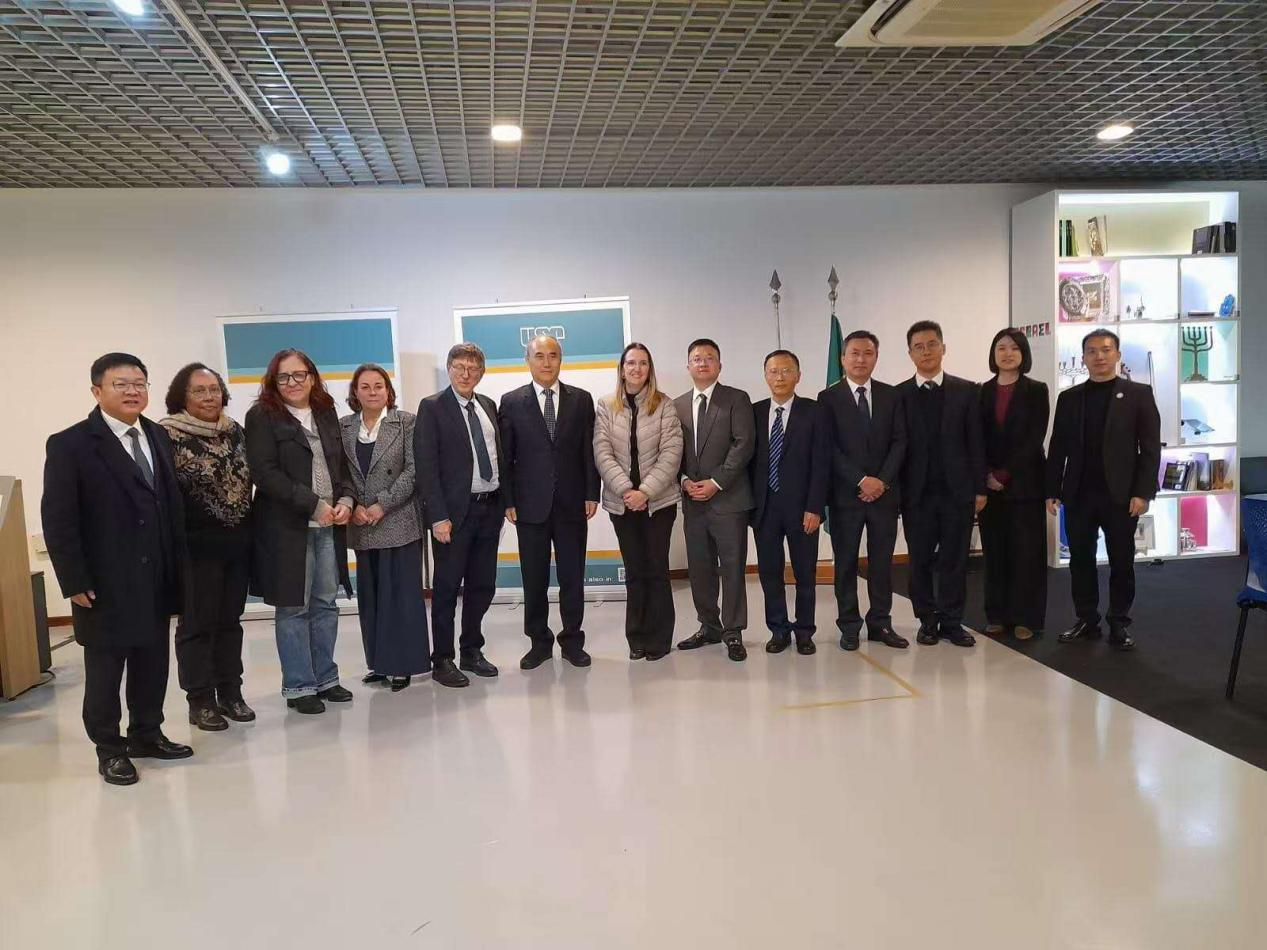
During the visit, President Jiang Liujun accompanied Du Haibo, a member of the Standing Committee of the Chengdu Municipal Party Committee, and his delegation to the University of São Paulo for an on-site field inspection and exchange. Relevant officials from the university participated in a symposium, and all attendees took a group photo to document the occasion.
During the symposium, both parties engaged in exchanges and discussions on topics including Sino-Peruvian international educational cooperation, industrial talent cultivation, and industry-university-research collaboration. Leveraging Chengdu's industrial development advantages and the educational resources of the University of São Paulo, both sides exchanged development strategies across four key cooperation areas, with a particular focus on practical cooperation initiatives such as mutual study visits, university-enterprise partnerships, and industrial talent exchange, thereby reaching preliminary consensus on multiple areas of cooperation and exchange.
The following individuals participated in this visit to the University of São Paulo: Bai Lanbin, member of the Party leadership group and deputy director of the Chengdu Municipal Health Commission; Tang Min, member of the Party leadership group and deputy director of the Chengdu Municipal Education Bureau; Chen Xingming, chief economist of the Chengdu Municipal Bureau of Economy and Information Technology and the New Economic Commission; Jiang Feng, deputy district mayor of Wenjiang District People's Government; and Li Wenying, a member of the delegation from the Foreign Affairs Office of the Chengdu Municipal People's Government.
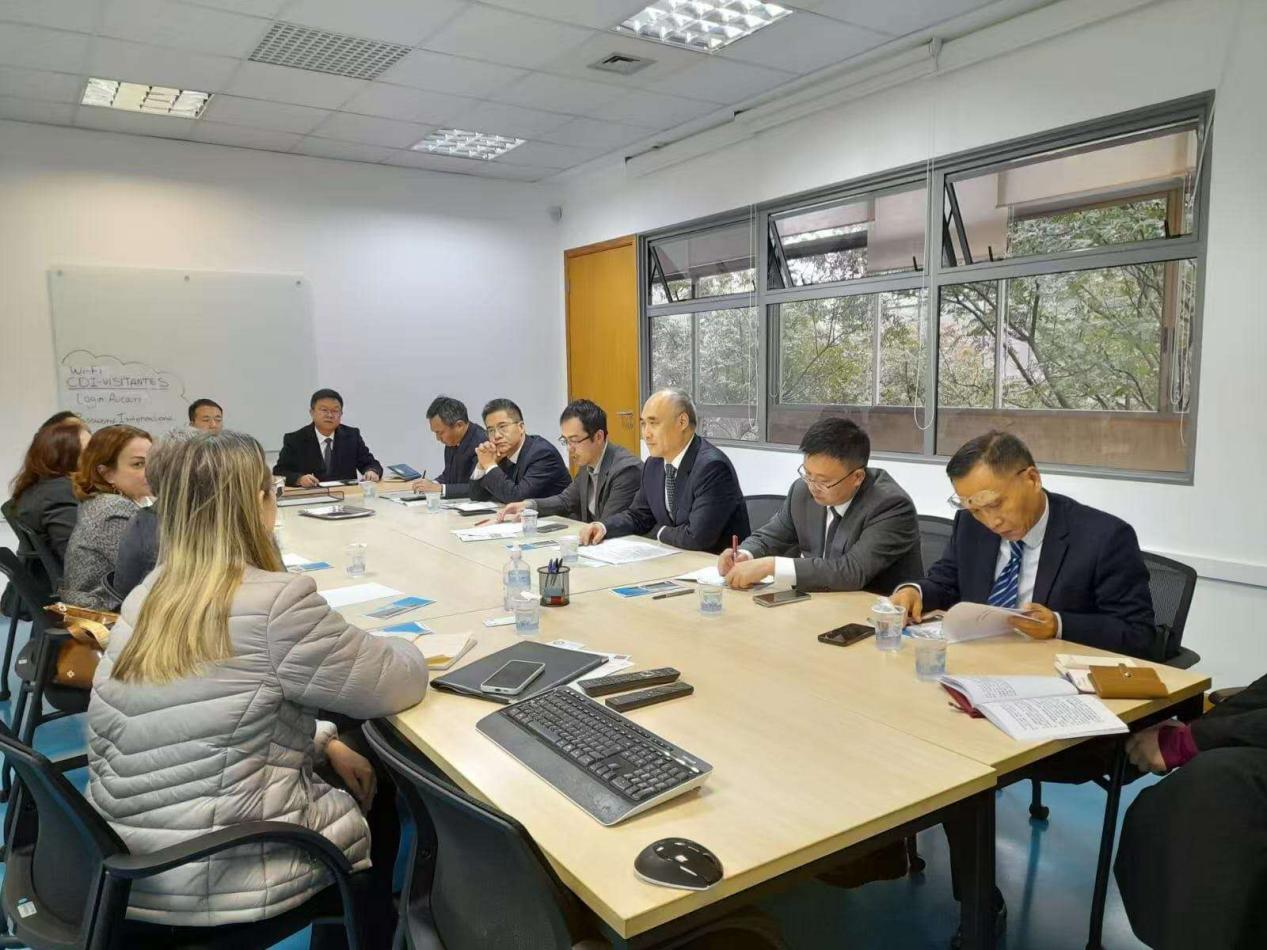
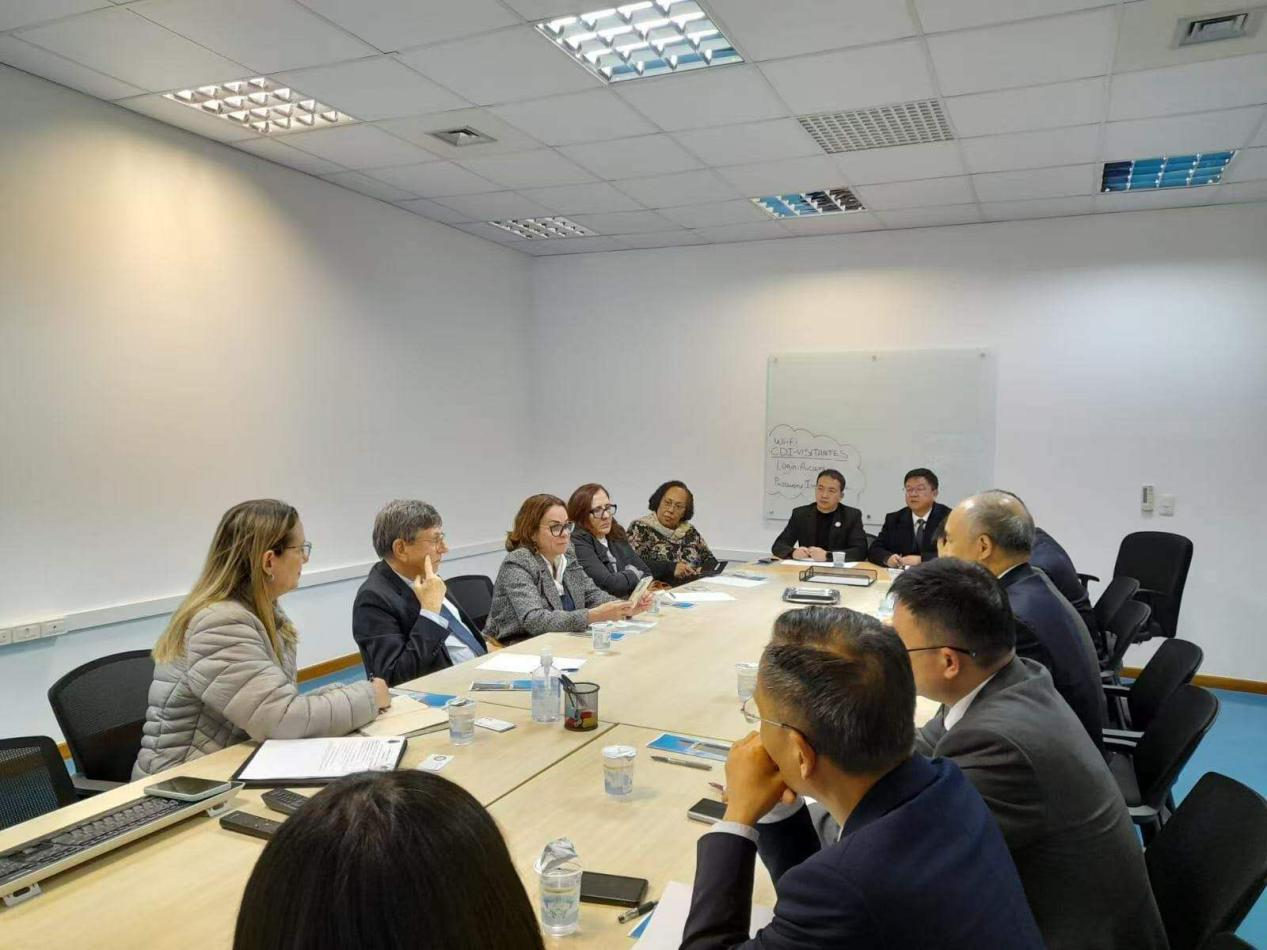
This visit to Brazil has achieved comprehensive four-tier coordination—spanning national, provincial, municipal, and university levels—thereby establishing a complete top-down collaborative support framework. This initiative has opened up an end-to-end cooperation pathway encompassing macro-level investment policies, mid-tier industrial support systems, end-stage supply-demand procurement, and cutting-edge scientific and educational exchanges. President Jiang Liujun stated that this series of talks has yielded fruitful results. The General Chamber of Commerce will integrate the consensuses reached during this visit to accelerate the formulation of implementation plans across four key areas: coffee cultivation, mineral resource investment, cross-border logistics and agricultural product trade, and international education. The Chamber will also collaborate with the Chengdu Municipal Party Committee and Municipal Government, as well as domestic government and corporate entities, to conduct on-site project assessments in Brazil. These efforts aim to further deepen Sino-Brazilian economic, trade, and cultural exchanges, leverage Brazil's strategic geographical advantages in South America, and further expand the General Chamber of Commerce's global industrial investment network—thereby enabling more Chinese and foreign enterprises to benefit from the development opportunities in Latin America.
